ARCHIVAL RESEARCH • GLENMORE • BANYUWANGI
Glenmore from the Archives: An English Name, Javanese Soil, Madurese Hands
An earlier version of this page named Ros Taylor as founder of Glenmore Estate on 2 February 1910. Archival research shows a different picture; see “Myth vs Archive”.
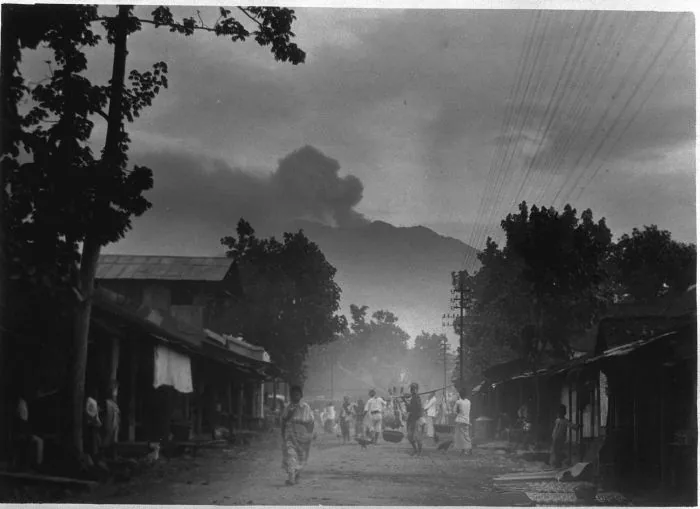
On the southern slopes of Mount Raung lies a name that sounds foreign to Javanese ears: Glenmore. Its story is usually told with one founder, one date and one year. We wanted to know more, so we opened the archives: a 1906 job advertisement, the 1901 articles of incorporation, railway notices from 1911 and 1913, and reports of the 1939 flood and the 1940 night fair.
The story turns out to be richer. Glenmore grew out of land applications in the Kali Baru forest around 1888. The land passed from a Surabaya trading house to a London-registered plantation company. It then became a "town" because of a railway halt that by 1915 was used by hundreds of passengers a day. It was built by thousands of workers, most of them from Madura.
This page is open research. Every claim links to its original source, and if your family papers confirm or correct any part of this story, we would love to hear from you.
B2. Myth vs Archive
The familiar story. A widely repeated account says that Glenmore Estate was founded by "Ros Taylor", a Scottish entrepreneur, with permits in 1909 and operations starting on 2 February 1910. The story lives on in oral tradition, local books, online media and student research, and this website carried it too. We respect that work: without it, few people would know the name Glenmore. But the contemporary records point elsewhere.
What the records show:
- "Ross, Taylor & Co." was a firm, not a person. The Soerabaijasch Handelsblad (6 September 1935) refers to "Messrs Ross, Taylor & Co. Ltd. at Soerabaja" as the representatives (agents) of several London plantation companies. The estates managed through the firm included Glen Nevis (Kalibaru) and Glen Falloch (Krikilan), two other Scottish names in the same district. In 1932 the firm dismissed its estate staff during the rubber slump. [E8]
- Glenmore Estate appears under a different group. In April 1932 the same newspaper lists Glenmore Estate among the "Francis Peek lands". [E8]
- The name and the company existed before 1910.
- In 1901 the Cultuur-Maatschappij "Glen More" was set up in Surabaya to take over four erfpacht parcels from the firm Fraser, Eaton & Co. [E2]
- By 1906 the "Glen More" manager was already advertising for staff.
- In 1909 the "Landbouw Maatschappij Glen More" was founded in Jember by E. Brugman and C. A. Koning.
- In November 1909 the estate became part of The Besoeki Plantations Ltd (London), with C. A. Koning as managing director. [B1]
- The origin of "2 February" is unresolved. We found no contemporary source for 2 February 1910. The date that is recorded is 2 February 1903, when the Kalisat–Banyuwangi railway opened in full (Wikipedia, citing State Railways reports). [INTERPRETATION: the two dates may have merged in collective memory; not proven.]
- "163,800 hectares" cannot be right. That is about 1,638 km², while the whole Glenmore district covers only about 420 km². The 1911 company handbook gives about 3,200 acres (±1,300 ha) for the main Soember Baroe IX–XII (Glen More) estates. [B1]
- The Scottish imprint is real, but it came through a merchant network rather than a single founder. Fraser, Eaton & Co. was founded in Surabaya in the 1830s by Arthur Fraser, of an Aberdeen merchant family. It belonged to the Maclaine Watson network, run largely by inter-related Scottish families (G. Roger Knight, Boydell & Brewer/Cambridge 2015; Brill review 2016). A 1917 newspaper calls "Glen More" "the English name" (de Engelsche naam) of the Soemberbaroe IX–XII lands. [E6] [INTERPRETATION: the Scottish-style name most likely arose within this Anglo-Scottish trading world. Who exactly coined it is still unknown.]
- The clan genealogy has no archival basis. The account of Taylor, Ross, Cameron and Macpherson clan links and of longing for the "Great Glen" does not appear in any Glenmore source we could find, so we have removed it.
In short. Glenmore was not created by one person on one date. It came out of land applications (c. 1888), Surabaya trading capital (1901), London capital (1909), a railway stop and halt (1911–1913), and the labour of thousands of estate workers. According to a 1927 report, those workers came almost entirely from Madura.
B3. Timeline
| Year | Event | Source |
|---|---|---|
| c. 1888 | Forester Koorders crosses the Kali Baru forest and reports fertile soil. Erfpacht applications follow for the lands that became Soember Baroe, Goenoeng Raoeng, Djatirono, Glen More and Kali Sepandjang. Neighbouring estates got names from reversed words: Trebla Sala (Albert + Alas), Alas Namsob (Bosman), Anim Sand (Mina Land). (Source is a recollection written in 1932.) | [E1] |
| 1901 | Cultuur-Maatschappij Glen More founded in Surabaya with ƒ75,000 capital. It takes over four erfpacht parcels from Fraser, Eaton & Co. in Banjoewangi; 72 of its 75 shares go to that firm. | [E2] |
| 1906 | Job advertisement: the manager of "Glen More", addressed via Kali Baroe halt, seeks staff able to withstand a fever climate, fluent in Javanese and Madurese, and experienced in forest clearing. | Soerabaijasch Handelsblad, 25 May 1906 |
| 1909 | April: Landbouw Maatschappij Glen More founded in Jember (E. Brugman, C. A. Koning). November: The Besoeki Plantations Ltd founded in London, £100,000 capital, managing director C. A. Koning; main estates Soember Baroe IX–XII (Sepandjang & Glen More). | Bataviaasch Nieuwsblad, 2 Apr 1909; [B1] |
| 1910 | By February 1910 the company records 100,000 rubber trees and 1,600,000 Robusta coffee trees. (Company-wide figure; the same handbook says the other lands were mainly tobacco and rice, so the coffee was most likely at Sepandjang & Glen More [INTERPRETATION].) | [B1] |
| Mar 1911 | An unstaffed stop at Glen More exists, built after C. A. Koning became owner; tickets are bought on the train. Seven estates depend on it and need 2,000 picul of rice a month. | [E3] |
| 1 Dec 1911 | Passenger trains 133 and 136 officially begin stopping at the Glen More stop for passengers, luggage and parcels. | [E4] |
| 6 Jan 1913 | Glen More halt formally opens between Krikilan and Kempit. All trains stop and all goods are handled. | [E4] |
| Apr 1913 | "A profitable halt": Glenmore already earns ƒ1,000 a day in goods and passenger traffic. | [E5] |
| 1915 | State Railways statistics: 236,661 passengers a year (≈647 a day) and 5,384 tonnes of freight at Glen More. | [E6] |
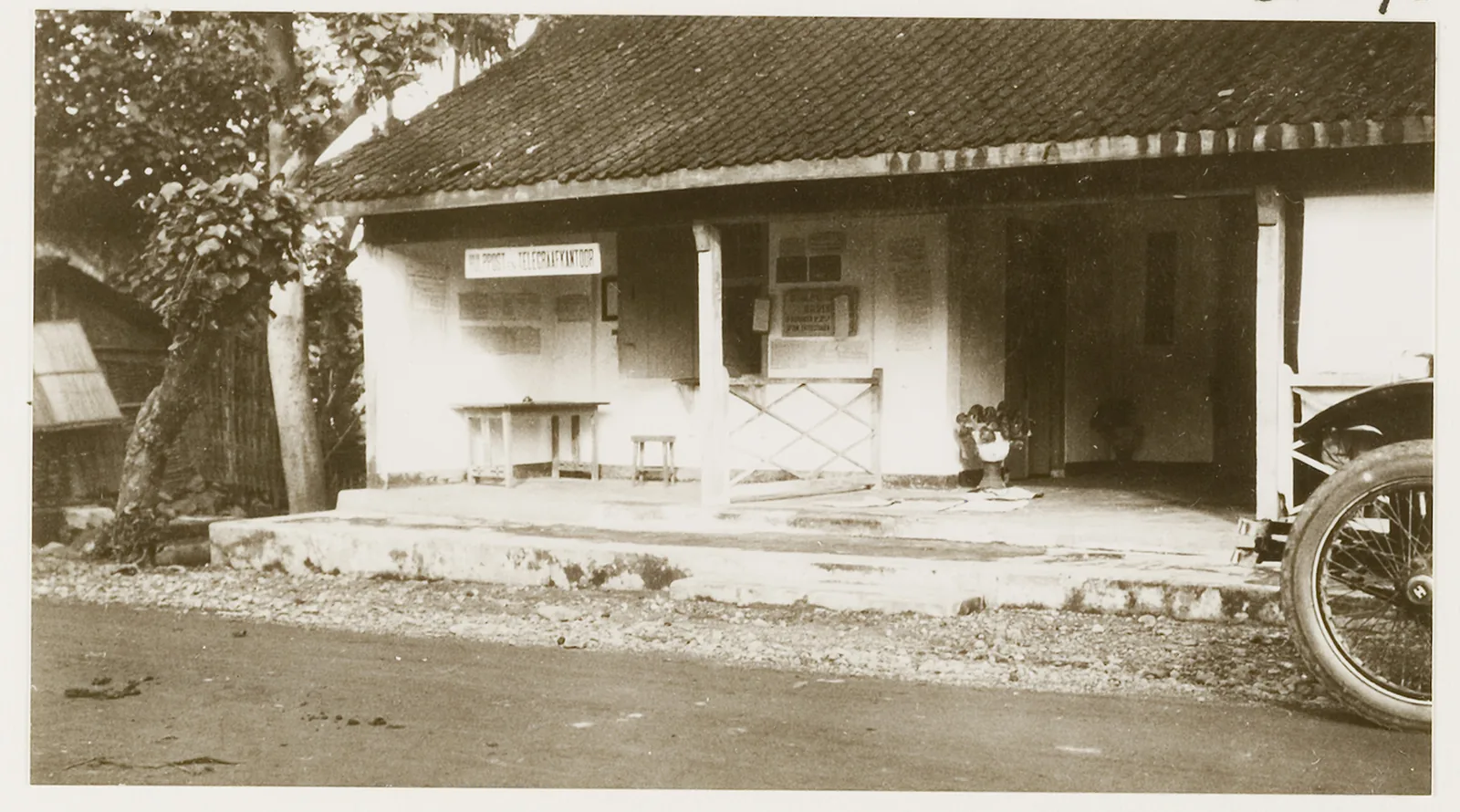
| 1917 | Glen More described as "a large village in the middle of the jungle". Auxiliary post office opens on 15 August. | [E6] |
| 1924 | The dawn school train: eight-year-olds commute to school in Banyuwangi. Kalibaru children must be at the halt before 5 a.m., Glenmore children 20 minutes later. | [E7] |
| 1927 | Labour around Glenmore and Kalibaru is almost entirely brought in from Madura. | De Indische Courant, 5 Jan 1927 |
| 1931 | A new post office with a postmaster's house at Glenmore is almost complete. | Soerabaijasch Handelsblad, 8 Oct 1931 |
| 1932 | Rubber slump: Glenmore Estate (Francis Peek group) stops tapping; the firm Ross, Taylor & Co. dismisses its estate staff. | [E8] |
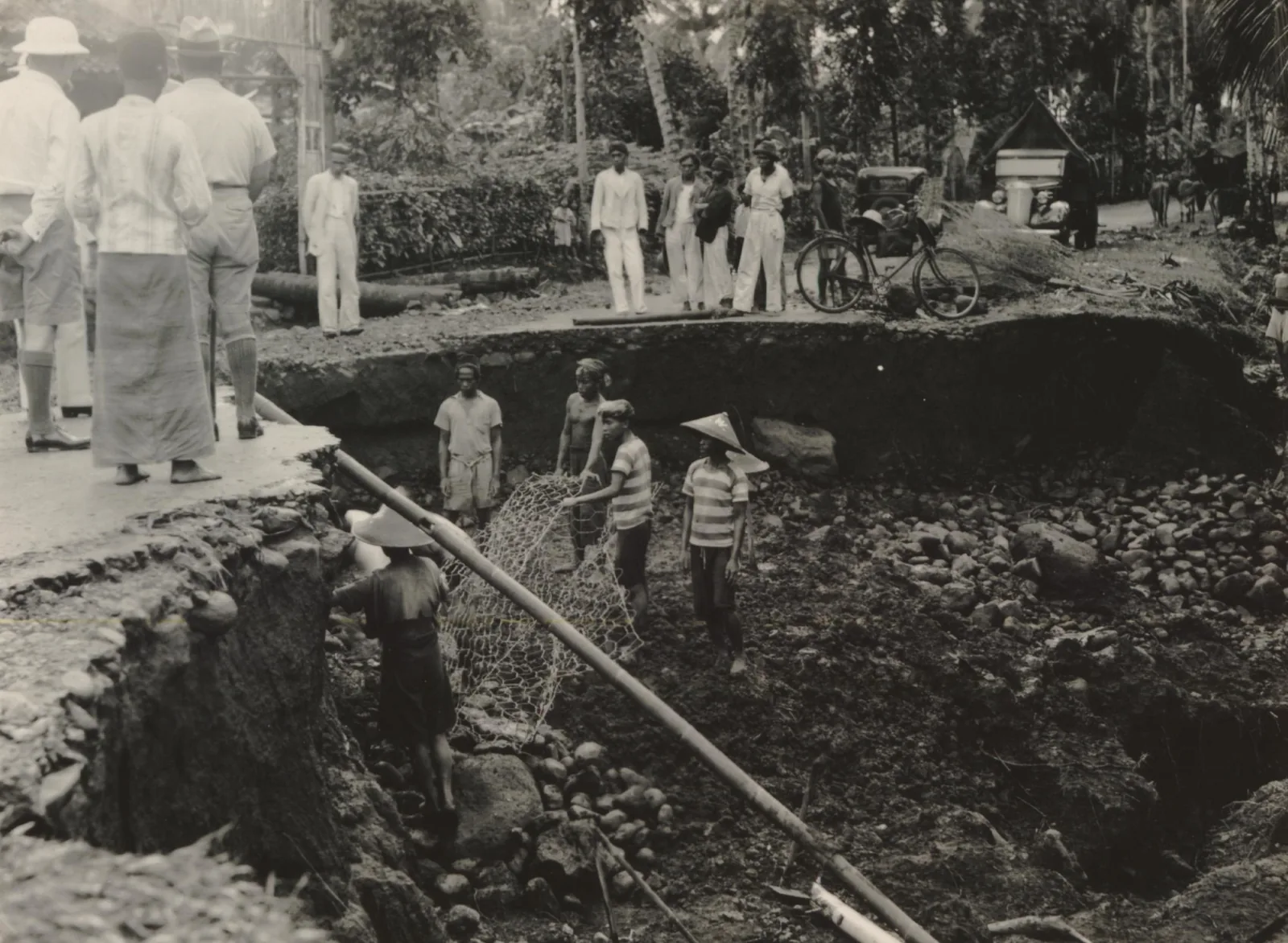
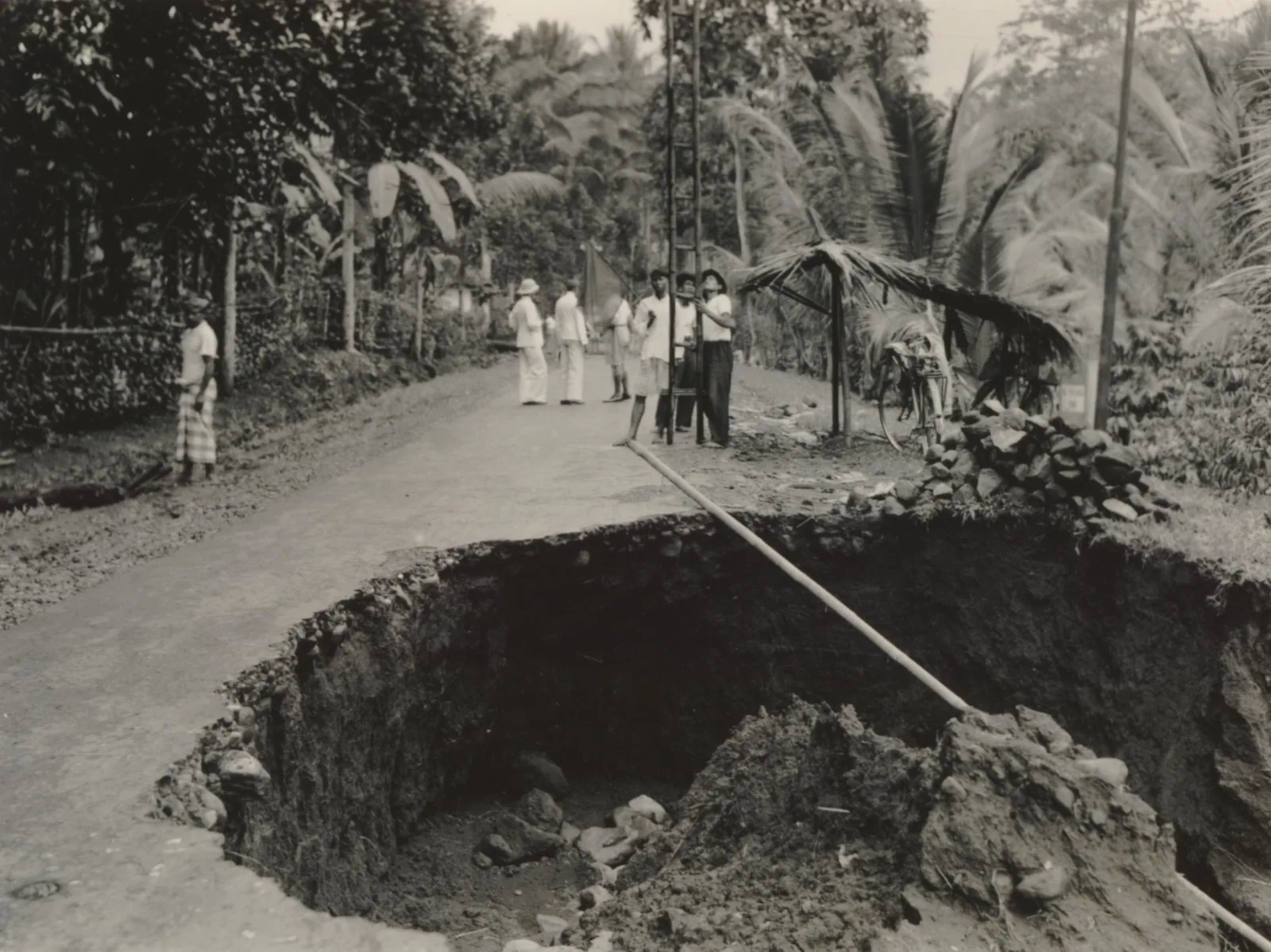
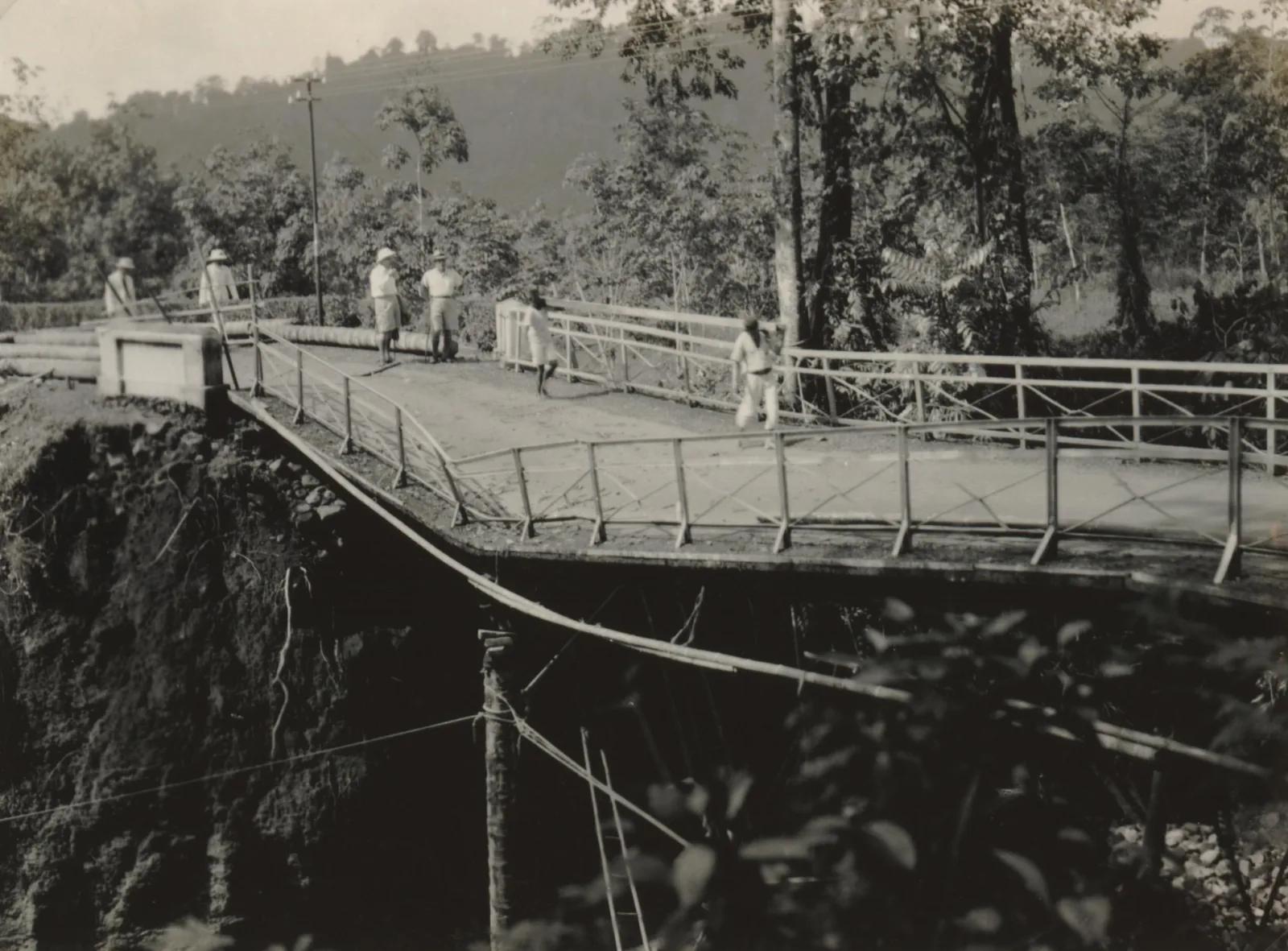
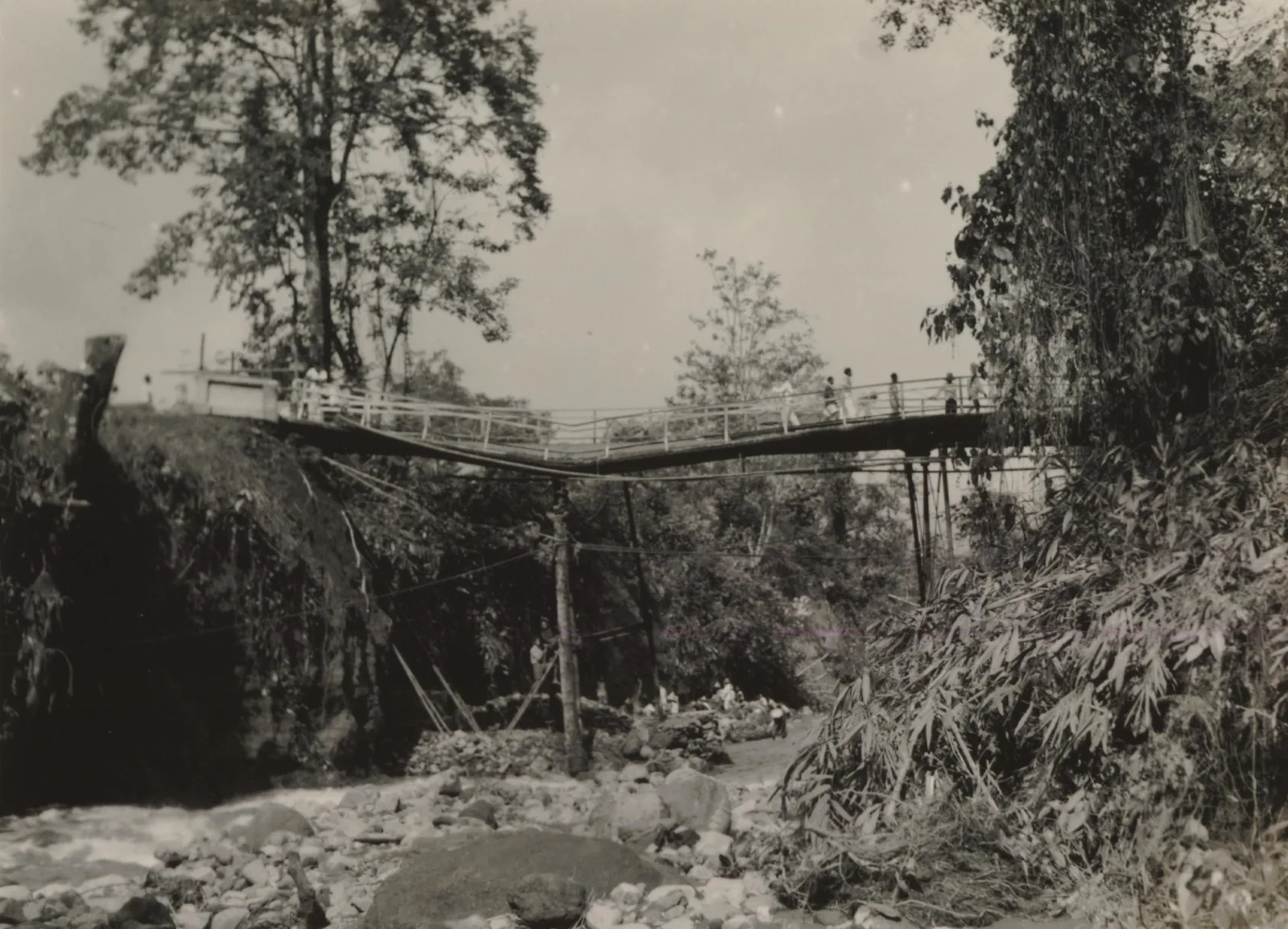
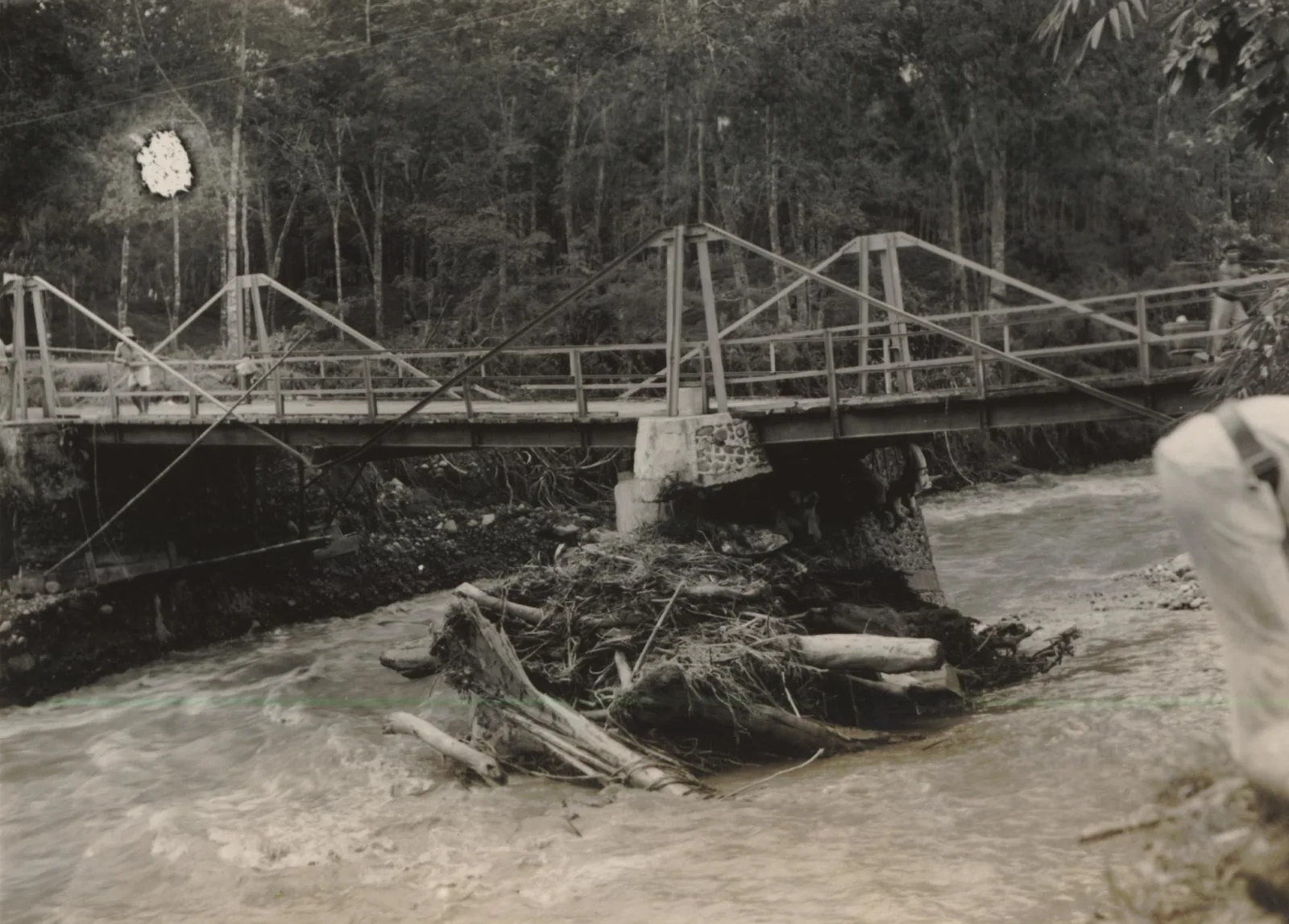
| Jul 1939 | Flash floods: the Kali Sepandjang washes away 5 m of railway embankment just past Glenmore halt; three large bridges between Kalibaru and Genteng are lost and Banyuwangi is cut off. | [E9] |
| 12–14 Jul 1940 | Glenmore night fair (pasar malam) with Serimpi dance, ketoprak, Damarwulan and a restaurant, run by a mixed committee; about ƒ500 raised for charity. | [E10] |
| 1964–1965 | An open question (see below). | — |
1964–1965: an open question linked to our building
The original Teras Glenmore building dates from 1965. That year falls in a transition period that is not yet clearly documented for Glenmore:
- Presidential Decree (Penpres) No. 6 of 1964 placed British-owned companies under Indonesian government control during the confrontation with Malaysia.
- Local historians note that estates owned by non-Dutch investors, such as Glenmore, were not part of the 1950s nationalisation, and that land disputes between estates and villagers followed 1965 (Hystory, 29 Jan 2026).
- We have not yet found documents explaining what happened to Glenmore Estate in 1964–1965.
If your family has letters, photographs or stories from that period, we would like to write this chapter with you.
B4. Quotes from Dutch Newspapers
Each excerpt is copied from the Delpher OCR text and only lightly cleaned. [OCR: …] marks uncertain readings with the raw OCR form; […] marks omissions.
resolver.kb.nllinks open the original newspaper page. Full Dutch passages are in section A4.
[E1] Soerabaijasch Handelsblad, 29 Feb 1932, "Planters-jubileum": Sumber asli ↗
"[…] Zoo werden in 1888 de gronden aangevraagd voor de later te openen ondernemingen Soember Baroe, Goenoeng Raoeng, Djatirono, Glen More, Kali Sepandjang, enz. Bosman's aanvragen herkent men in de namen van nog bestaande concessies: Trebla Sala (Bosman had als [OCR: 'ncn'] voornaam Albert of, omgekeerd: Trebla), Alas Namsob (het omgekeerde van Bosman), terwijl men den naam zijner vrouw Mina terugvindt in Anim Sand."
"Thus in 1888 the lands were applied for that would later become the estates of Soember Baroe, Goenoeng Raoeng, Djatirono, Glen More, Kali Sepandjang, etc. Bosman's applications can be recognised in the names of concessions that still exist: Trebla Sala (Bosman's first name was Albert; reversed: Trebla), Alas Namsob (Bosman reversed), while his wife's name Mina is found again in Anim Sand." (Written 44 years after the event; it refers to lands that "would later become" Glen More and does not prove the name was used in 1888.)
[E2] De Telegraaf, 9 Jul 1901 (checked against Het Vaderland, 10 Jul 1901): Sumber asli ↗
"[…] de statuten van de te Soerabaja opgerichte Cultuur-Mij. Glen More, ten doel hebbende de overname en verdere exploitatie van vier aan de firma Fraser Eaton & Co. toebehoorende erfpachtsperceelen [OCR: 'ctfparhtsperceelen'] in de afdeeling Banjoewangi […] Het kapitaal der vennootschap bedraagt ƒ 75.000 […]; daarvan worden er voor den inbreng 72 uitgereikt aan de firma Fraser Eaton & Co."
"[…] the articles of the Cultuur-Maatschappij Glen More, established at Soerabaja, whose object is the takeover and further exploitation of four erfpacht parcels belonging to the firm Fraser Eaton & Co. in the division of Banjoewangi […] The company's capital is ƒ75,000 […]; of these shares, 72 are issued to the firm Fraser Eaton & Co. in exchange for the contribution."
[E3] Bataviaasch Nieuwsblad, 17 Mar 1911: Sumber asli ↗
"Later deed de heer Bouman, destijds eigenaar der onderneming 'Glen More', het verzoek, op laatstgenoemde plaats een stopplaats voor de treinen te maken, welk verzoek niet werd ingewilligd. Nog later, toen de heer Koning eigenaar van 'Glen More' was, kwam er wèl een stopplaats. […] men moet in den trein een kaartje nemen. […] Per maand hebben die ondernemingen voor hun volk niet minder dan 2000 picol rijst noodig […]"
"Later Mr Bouman, then owner of the 'Glen More' estate, asked for a train stop to be made at the latter place, a request that was not granted. Later still, when Mr Koning owned 'Glen More', a stop did come. […] one has to buy a ticket on the train. […] Every month these estates need no less than 2,000 picul of rice for their workers […]"
[E4] De Nieuwe Vorstenlanden, 16 Nov 1911 & 4 Jan 1913: Sumber asli ↗ · Sumber asli ↗
"[Met ingang van 1 December a. s.] zullen […] de personentreinen 133 en 136 op de stopplaats Glen More stoppen voor het opnemen en uitzetten van reizigers, bagage en bestelgoed." / "Op 6 Januari wordt de halte Glen More tusschen Krikilan en Kempit geopend. […] Alle treinen stoppen daar tevens voor uit- en instappen van reizigers."
"[From 1 December next] passenger trains 133 and 136 will stop at the Glen More stop to pick up and set down passengers, luggage and parcels." / "On 6 January the Glen More halt between Krikilan and Kempit will be opened. […] All trains will also stop there for passengers to board and alight."
[E5] Bataviaasch Nieuwsblad, 17 Apr 1913, "Een voordeelige Halte": Sumber asli ↗
"Glenmore brengt reeds nu, per dag, aan goederen- en personenvervoer f 1000 op. De verantwoording van den haltechef loopt soms tot f 2000 per dag […]"
"Glenmore already brings in ƒ1,000 a day in goods and passenger traffic. The station master's takings sometimes reach ƒ2,000 a day […]" (This article dates the opening to 1 January; the official S.S. notice [E4] says 6 January 1913.)
[E6] De Preanger-bode, 7 Sep 1917: Sumber asli ↗
"Glen More is de Engelsche naam van het land Soemberbaroe IX — XII, en meer bij de inlanders bekend, ook omdat de stopplaats, later halte, sedert 1911 aldaar gebouwd, Glen More genoemd wordt. […] S. S.-statistiek 1915 […] 236.661 reizigers per jaar of 647 per dag plus 5384 ton vrachtgoederen […]"
"Glen More is the English name of the land Soemberbaroe IX–XII, and it is better known among the local population partly because the stop, later a halt, built there since 1911, is called Glen More. […] the S.S. statistics for 1915 […] 236,661 passengers a year, or 647 a day, plus 5,384 tonnes of freight […]"
[E7] Algemeen Handelsblad voor Nederlandsch-Indië, 30 Oct 1924: Sumber asli ↗
"De kinderen van Kali Baroe moeten reeds voor 5 uur 's ochtends aan de halte zijn, de vele kleintjes van Glenmore twintig minuten later."
"The children of Kali Baroe must be at the halt before 5 in the morning, the many little ones of Glenmore twenty minutes later."
[E8] Soerabaijasch Handelsblad, 6 Sep 1935; Algemeen Handelsblad voor N.-I., 4 Apr 1932; Soerabaijasch Handelsblad, 7 Apr 1932: Sumber asli ↗ · Sumber asli ↗ · Sumber asli ↗
"[…] superintendent van meerdere Londensche Cultuur-Maatschappijen, vertegenwoordigd door de heeren Ross, Taylor en Co. Ltd. te Soerabaja […] Thomson ('Glen Nevis', Kali Baroe) […] Keech ('Glen Falloch', Krikilan)" / "[…] de firma Ross Taylor per ultimo Juli aan alle geëmployeerden van hare cultuurondernemingen ontslag aanzegde." / "Francis Peek-landen. Hiervan zal Glenmore Estate den rubbertap stoppen."
"[…] superintendent of several London plantation companies, represented by Messrs Ross, Taylor & Co. Ltd. at Soerabaja […] Thomson ('Glen Nevis', Kali Baroe) […] Keech ('Glen Falloch', Krikilan)" / "[…] the firm of Ross Taylor has given notice to all employees of its estates as of the end of July." / "Francis Peek lands. Of these, Glenmore Estate will stop tapping rubber." (Glenmore is not among the 1935 signatories. That does not prove Ross, Taylor & Co. never dealt with Glenmore, but it shows "Ross Taylor" was an agency firm and that Glenmore Estate sat in the Francis Peek group in 1932.)
[E9] Soerabaijasch Handelsblad, 13 Jul 1939 & 10 Jul 1939: Sumber asli ↗ · Sumber asli ↗
"Over 5 meter lengte werd de spoordijk voorbij halte Glenmore door de Kali Sepandjang weggeslagen […]" / "Tusschen Kalibaroe en Genteng sloegen drie groote bruggen weg, waardoor Banjoewangi per auto alleen nog langs de Noord is te bereiken."
"Over a length of 5 metres the railway embankment just past Glenmore halt was washed away by the Kali Sepandjang […]" / "Between Kalibaroe and Genteng three large bridges were swept away, so that Banjoewangi can now only be reached by car via the north."
[E10] Soerabaijasch Handelsblad, 31 Jul 1940, "Pasar Malem te Glenmore": Sumber asli ↗
"[…] werd vanaf den 12den tot den 14den dezer [OCR: 'desser'] te Glenmore een passar malem gehouden, waarvan de netto opbrengst ± ƒ 500 (vijfhonderd gulden) ten bate van het K. W. Fonds kwam. […] de vertooning van den 'Serimpi dans' [OCR: 'Serknpi dans'] […] ketoprak gemplak en Damarwoelan […] Het Restaurant […] was goed voorzien."
"[…] a pasar malam was held at Glenmore from the 12th to the 14th of this month [July 1940], with net proceeds of about ƒ500 (five hundred guilders) going to the Queen Wilhelmina Fund. […] the performance of the Serimpi dance […] ketoprak gemplak and Damarwulan […] The restaurant […] was well stocked."
[B1] Rubber Companies in the Netherland East Indies (J. H. de Bussy, Amsterdam, 1911), original in English: Sumber asli ↗
"THE BESOEKI PLANTATIONS, LIMITED. Founded: November 1909. Capital: £100,000 […] C. A. Koning (Managing Director). Secretary and Offices: Peek Bros. & Winch, Ltd., 20 Eastcheap, London […] Estates: Soember Baroe IX-XII (Sepandjang and Glen More) […] covering an area of about 3200 acres […] In February 1910 there were: — 100,000 Rubber trees, and 1,600,000 Robusta Coffee trees."
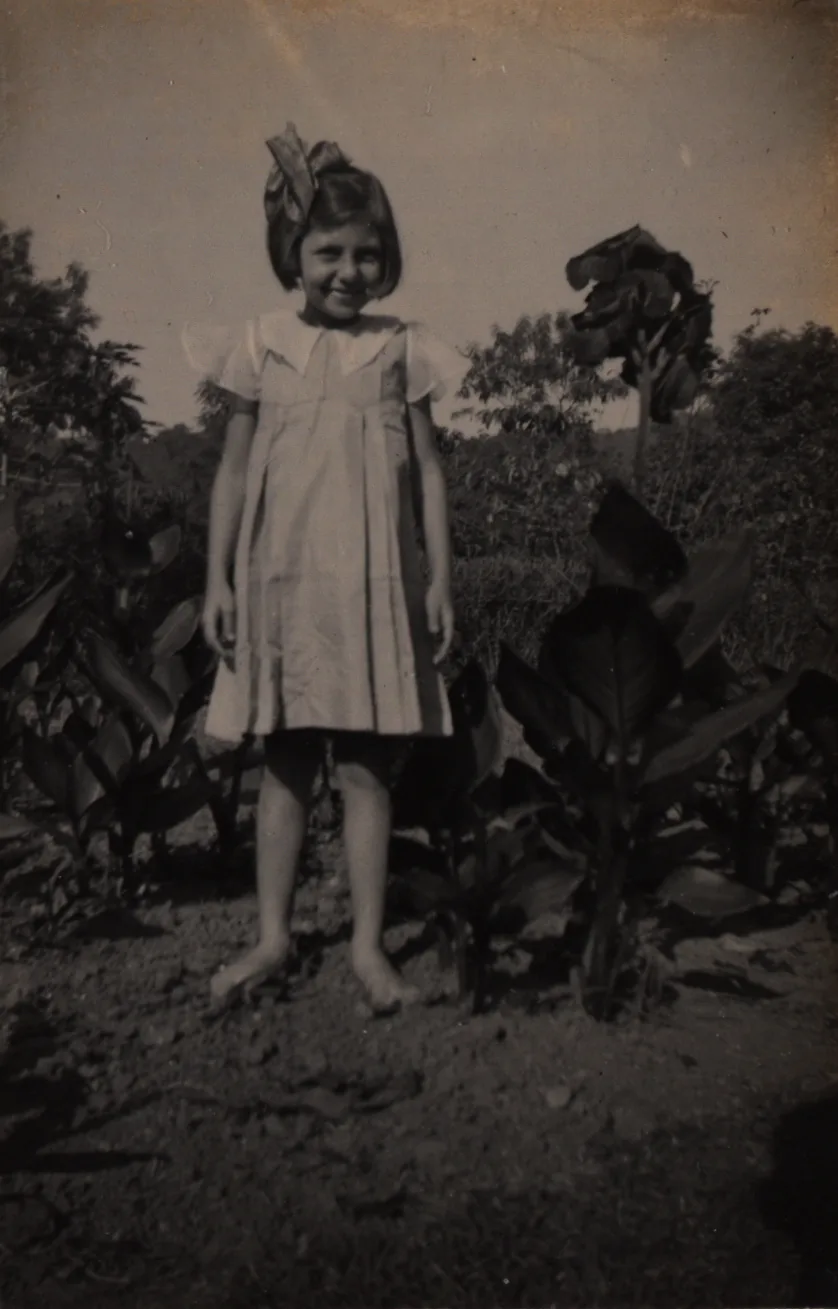
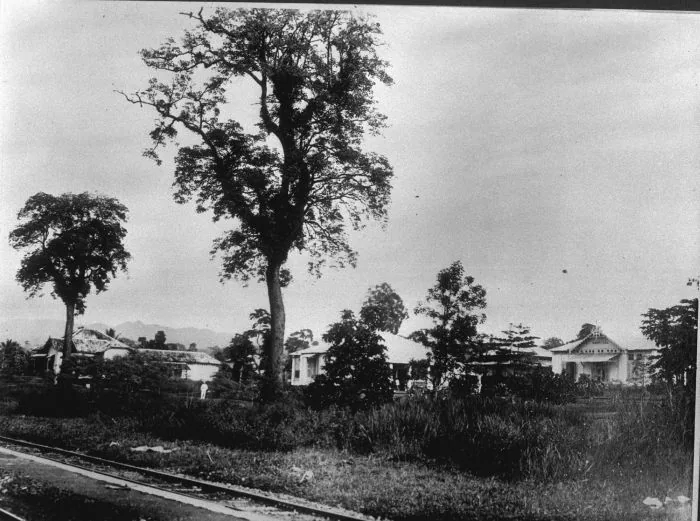
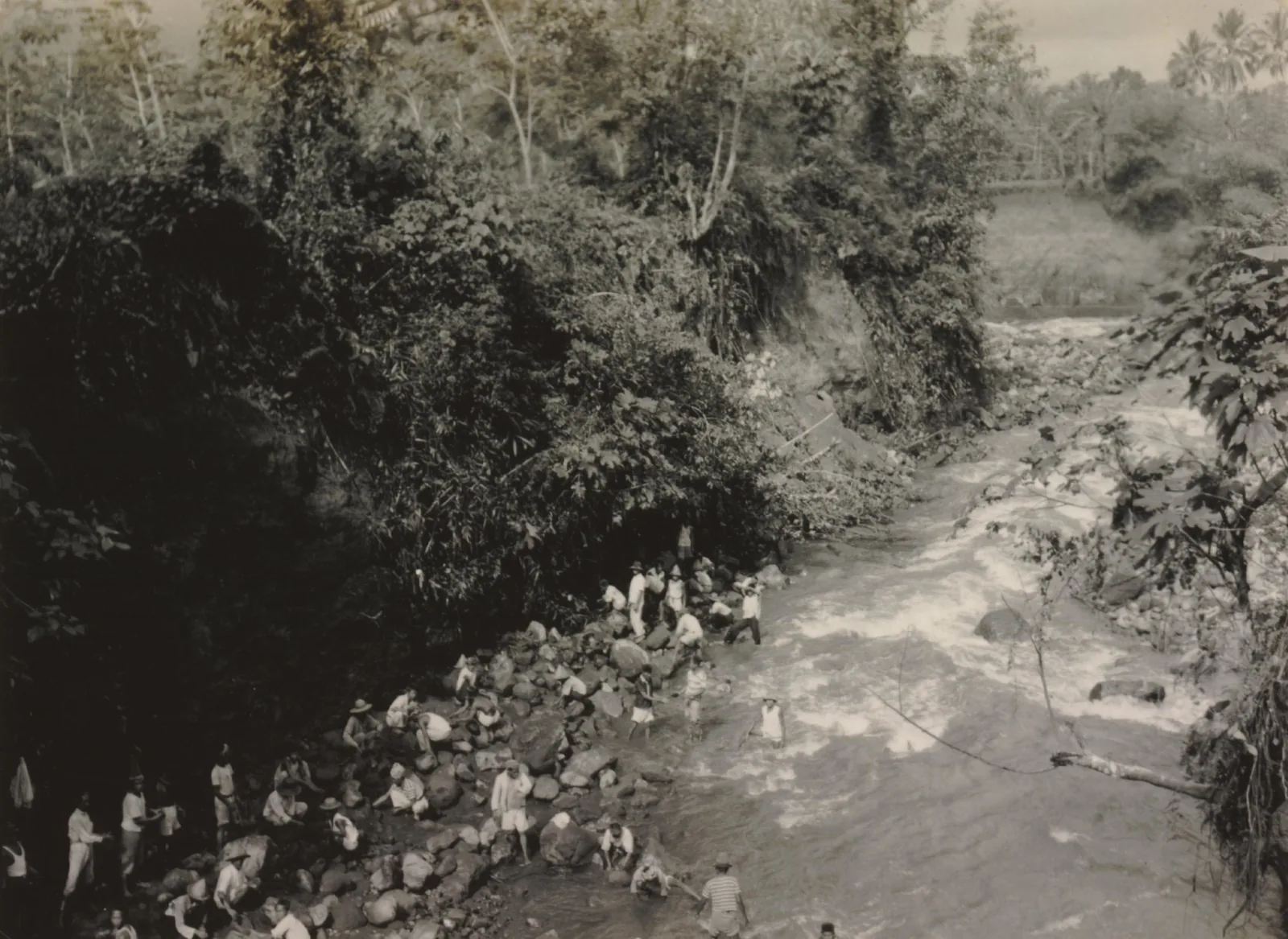
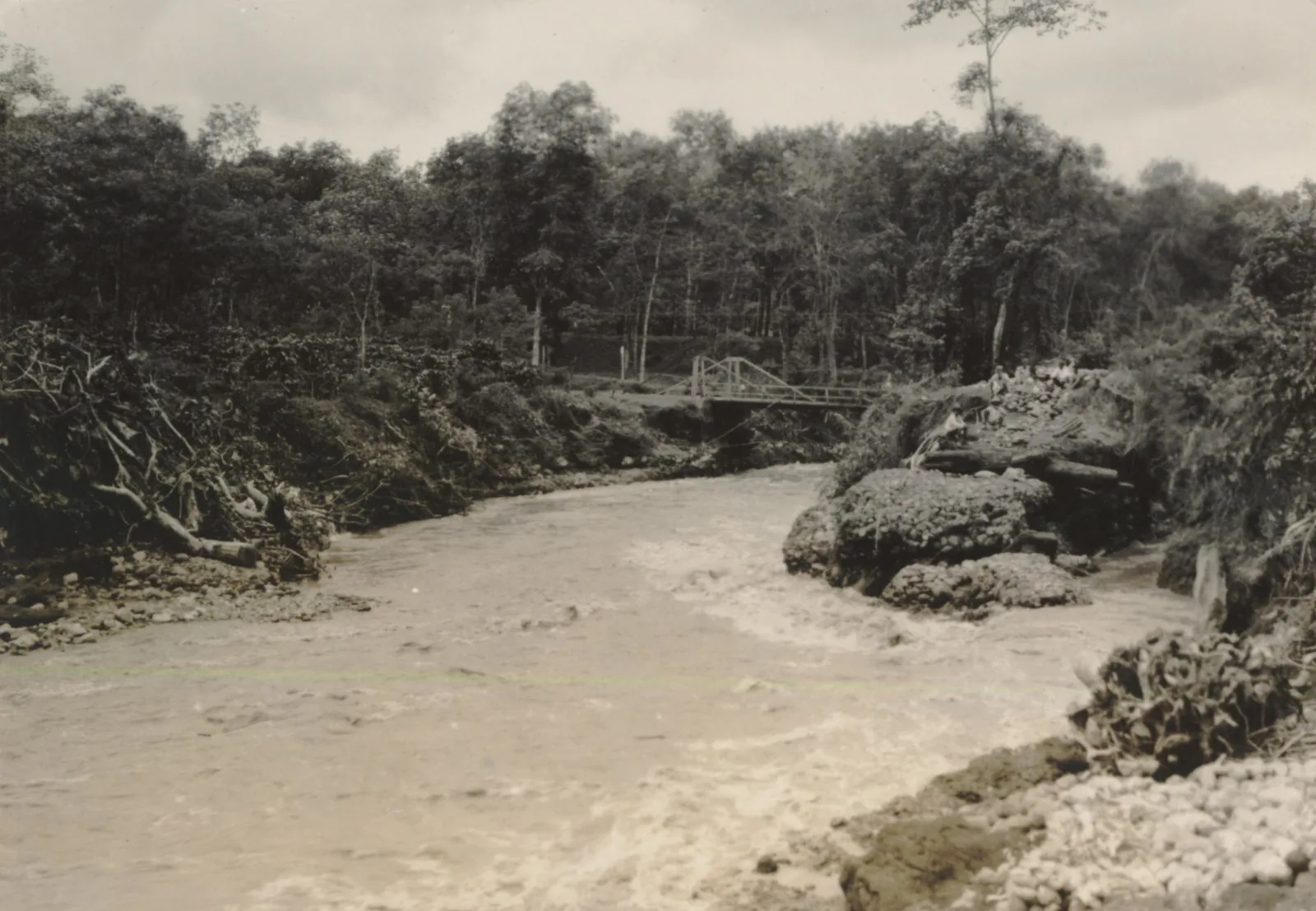
Related archival photographs
Daftar sumber / Bibliography
Surat kabar (Delpher, Koninklijke Bibliotheek; diakses 30 Sep 2026)
- Soerabaijasch Handelsblad, 29 Feb 1932, "Planters-jubileum": Sumber asli ↗
- De Telegraaf, 9 Jul 1901, "Statuten": Sumber asli ↗
- Het Vaderland, 10 Jul 1901, "Nieuwe maatschappijen": Sumber asli ↗
- De Locomotief, 10 Jun 1901, "Naamlooze Vennootschappen": Sumber asli ↗
- Soerabaijasch Handelsblad, 25 Mei 1906, advertentie "Glen More", halte Kali Baroe: Sumber asli ↗
- Bataviaasch Nieuwsblad, 2 Apr 1909, "Nieuwe maatschappijen" (Landbouw Mij Glen More): Sumber asli ↗
- Bataviaasch Nieuwsblad, 17 Mar 1911, "totaal 10 kilometer weg!": Sumber asli ↗
- De Nieuwe Vorstenlanden, 16 & 17 Nov 1911 (SS): Sumber asli ↗ · Sumber asli ↗
- De Nieuwe Vorstenlanden, 4 Jan 1913 (SS): Sumber asli ↗
- Bataviaasch Nieuwsblad, 17 Apr 1913, "Een voordeelige Halte": Sumber asli ↗
- De Preanger-bode, 7 Sep 1917, "Glen More als cultuur-centrum in Banjoewangi": Sumber asli ↗
- Algemeen Handelsblad voor N.-I., 30 Okt 1924, "Een School voor Glenmore": Sumber asli ↗
- De Indische Courant, 5 Jan 1927, "Het werkvolkvraagstuk": Sumber asli ↗
- Soerabaijasch Handelsblad, 8 Okt 1931, "Postkantoor Glenmore": Sumber asli ↗
- Algemeen Handelsblad voor N.-I., 4 Apr 1932, "Massa ontslag bij Ross Taylor": Sumber asli ↗
- Soerabaijasch Handelsblad, 7 Apr 1932, "Francis Peek-landen": Sumber asli ↗
- Soerabaijasch Handelsblad, 6 Sep 1935, "Oorkonde": Sumber asli ↗
- Soerabaijasch Handelsblad, 10 Jul 1939, "Banjoewangi geïsoleerd": Sumber asli ↗
- Soerabaijasch Handelsblad, 13 Jul 1939, "De Ravages in Banjoewangi": Sumber asli ↗
- Soerabaijasch Handelsblad, 31 Jul 1940, "Pasar Malem te Glenmore": Sumber asli ↗
Buku dan kajian
- Rubber Companies in the Netherland East Indies, J. H. de Bussy, Amsterdam, 1911: Sumber asli ↗
- G. Roger Knight, Trade and Empire in Early Nineteenth-Century Southeast Asia: Gillian Maclaine and his Business Network (Boydell & Brewer, 2015), bab penutup: Sumber asli ↗ ; ulasan di BKI 172(4), 2016: Sumber asli ↗
- Penetapan Presiden No. 6 Tahun 1964 (perusahaan milik Inggris): Sumber asli ↗
- Arif Firmansyah & M. Iqbal Fardian, "Namanya Memang Eropa, Lokasinya Tetap di Jawa", Hystory, 29 Jan 2026: Sumber asli ↗
- Wikipedia, "Stasiun Glenmore" dan "Jalur kereta api Kalisat–Banyuwangi" (pembukaan jalur 2 Feb 1903): Sumber asli ↗
- Versi populer untuk perbandingan: detikTravel, "Sejarah Glenmore, Jejak Eropa yang Tersembunyi di Banyuwangi": Sumber asli ↗ ; skripsi UIN KHAS Jember (Fiqqi Dikrulloh, 2024): Sumber asli ↗
Foto: Wikimedia Commons, KITLV/Leiden University Libraries (CC BY 4.0) dan Tropenmuseum/Wereldmuseum Amsterdam (CC BY-SA 3.0). Rincian lengkap ada di foto-arsip/ATRIBUSI.md.